

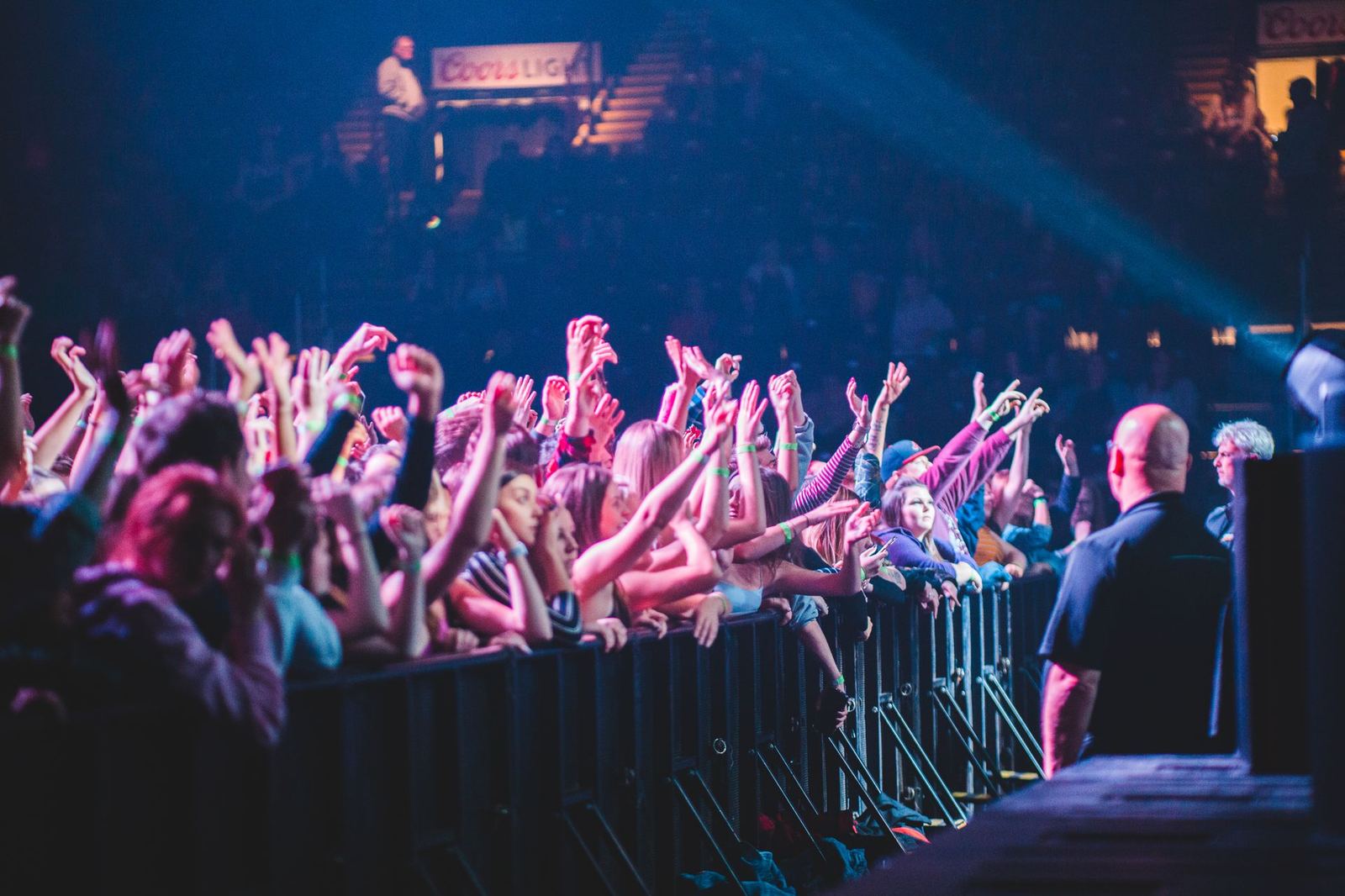
At fairs, concerts and corporate summits security is won at the planning table, not on the day.
The biggest mistake at events is leaving security to the last week. Capacity, entry flow, emergency exits and correspondence with local authorities all take time. The timeline below offers a framework adaptable to events of 500 to 50,000 people.
6-4 weeks ahead: Risk and venue analysis
The venue plan is reviewed and the capacity and visitor profile determined. Possible risks (crowding, stage collapse, fire, panic, VIP presence, protests) are listed. A first coordination meeting is held with local police, fire and medical teams.
4-3 weeks ahead: The security plan
Entrance gates, accreditation points, search areas and emergency exits are defined. Head count, supervisor structure and task allocation are planned in writing. The communications network (radio channels, control point) is set up.
2 weeks ahead: Training and briefing
Officers are briefed on the event programme, venue layout, VIP list and emergency procedures. Entry rules (prohibited items, ticket checks, accreditation) are clarified.
1 week ahead: Site rehearsal
A walk-through is held at the venue; evacuation times and entry flow are simulated. Control points and radio coverage are tested.
On the day
- Early set-up: the team is on site three hours before doors open
- The control room runs live; supervisors report status every 30 minutes
- Dedicated teams in front of stage and the VIP area
- First aid and lost-child points are clearly visible
After the event
An incident report, entry and exit statistics and improvement suggestions are prepared. Revising the plan for the next event builds a stronger security culture.
Tuğra plans and manages event security with teams from 10 to 300 officers. Use our quote form for details.
Common risks
The most frequent problems at events are queue build-up at the gates, fake tickets and accreditation, prohibited items, crushing in front of the stage and health incidents from extreme heat or cold. Most can be prevented by correctly sizing gates and waiting areas, water and shade points, and early announcements and guidance. A plan should be a living tool, not a piece of paper; update it as conditions change during the event.
Communication is everything in event security: radio discipline, shared code words and a single command point decide seconds in a crowd. All teams should see the same communication scheme in advance with the organiser, medical and fire services.
Budget planning for event security should also start early. The number of officers is set not per person but by the number of entrances, crowd density and risk level. As a general rule one to two officers per 100 visitors and at least two officers per entrance are planned, and the ratio is raised for high-risk events.